

CNIC Un-Block in Pakistan: Legal Guide for Karachi

Introduction
A CNIC Un-Block issue can create serious difficulties for individuals who cannot access essential identity-related services in Pakistan. When NADRA blocks, digitally impounds, or places restrictions on a Computerised National Identity Card, the affected person may face problems with banking, official documentation, employment, and other everyday activities. However, Pakistani law provides specific procedures and legal remedies for challenging certain unlawful identity-card restrictions. In Karachi, understanding these procedures can help individuals protect their rights and seek appropriate relief. This guide explains the common reasons behind a NADRA CNIC Block, the legal framework under the NADRA Ordinance 2000, the CNIC Unblock Procedure, and the importance of professional legal assistance.
What Does CNIC Un-Block Mean?
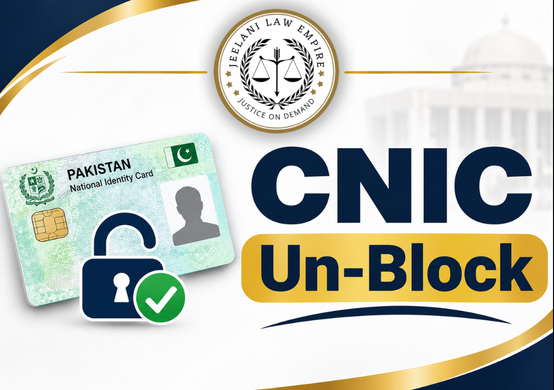
CNIC Un-Block refers to the legal and administrative process of restoring access to a person’s Computerised National Identity Card after NADRA has imposed a restriction or digitally impounded the card.
A blocked CNIC can create difficulties because individuals use their identity cards for various official and financial activities. For example, a person may experience problems with banking services, identity verification, government documentation, and other administrative matters.
However, the nature of the restriction matters. NADRA may initiate proceedings involving verification, impounding, cancellation, or confiscation under the applicable legal framework.
Therefore, individuals should first identify the reason behind the restriction. After that, they can determine the appropriate CNIC Restoration process.
Common Reasons Why NADRA Blocks a CNIC
Several circumstances may lead to identity verification problems or proceedings against a CNIC.
1. Citizenship and Identity Verification Issues
NADRA may require additional information when its records raise questions about a person’s identity, eligibility, or citizenship documents.
In such circumstances, the authority may request supporting documents and conduct further verification.
2. Incorrect or Inconsistent Information
Differences between identity records, family information, or supporting documents may create a CNIC Verification Issue.
For example, discrepancies in names, dates of birth, or family records may require clarification. Consequently, individuals should provide accurate supporting documentation.
3. Duplicate CNIC Records
Obtaining multiple identity cards using the same eligibility criteria may create legal and administrative problems.
Under Section 18 of the NADRA Ordinance 2000, obtaining more than one card on the same eligibility criteria constitutes one of the specified grounds for action.
4. Fake or Altered Documents
NADRA may initiate proceedings when it has grounds to believe that someone obtained an identity card through forged documents, altered information, or misrepresentation.
However, the authority must follow the applicable legal procedure before taking action.
5. Verification and Administrative Disputes
Sometimes, an individual may face a CNIC Suspension Case because of unresolved verification questions or an administrative dispute.
Nevertheless, a verification issue does not automatically justify every form of restriction. The authority must act within its legal powers.
CNIC Block Removal Under the NADRA Ordinance 2000
Section 18 of the National Database and Registration Authority Ordinance 2000 addresses the cancellation, impounding, and confiscation of identity cards.
Under this provision, NADRA may take action on specified grounds, including:
- A person obtained a card despite being ineligible.
- Someone obtained multiple cards using the same eligibility criteria.
- Someone altered or tampered with the information on the card.
- Someone obtained or used a forged identity card.
However, Section 18 also requires NADRA to issue a written notice asking the affected person to explain why the authority should not take the proposed action.
Furthermore, the law provides an opportunity to challenge an order through an appeal to the Federal Government within 30 days of that order. The appellant must also receive an opportunity for a hearing.
Therefore, individuals should understand their rights before accepting an administrative decision without examining its legal basis.
CNIC Unblock Procedure in Pakistan
Understanding the CNIC Unblock Procedure can help affected individuals organise their documents and pursue appropriate legal remedies.
Step 1: Identify the Reason for the CNIC Restriction
First, visit the relevant NADRA office or contact its customer support to understand the current status of your identity card.
Ask the authority to clarify whether the issue involves verification, digital impounding, cancellation, or another administrative restriction.
Step 2: Collect the Required Documents
Next, arrange documents that support your identity and eligibility.
These may include:
- Original or previous CNIC copies.
- Birth certificate, where relevant.
- Family Registration Certificate (FRC).
- Parents’ or family members’ identity documents.
- Educational or other official records.
- Previous NADRA correspondence.
- Any show-cause notice or written order.
However, the required documents depend on the specific verification issue.
Step 3: Submit a CNIC Block Appeal
If NADRA has issued an adverse order, an affected person may have the right to submit a CNIC Block Appeal within the statutory period.
The appeal should explain the reasons for challenging the decision and include relevant supporting documents.
Moreover, the applicant should clearly address the allegations mentioned in the notice or order.
Step 4: Attend the NADRA Verification Process
After submitting the required documents, attend any scheduled verification or hearing.
During this process, explain the circumstances and provide evidence supporting your identity and eligibility.
Furthermore, keep copies of submitted documents and obtain acknowledgement where available.
Step 5: Seek Legal Assistance if Necessary
If the authority does not resolve the matter or takes action beyond its legal powers, consult a qualified lawyer.
A lawyer can review the administrative record, assess the applicable law, and explain the available remedies.
Legal Action for Blocked CNIC in Pakistan
In certain circumstances, an affected person may seek judicial relief against unlawful administrative action.
The Constitution of Pakistan provides fundamental protections, including the right to fair treatment under Article 10A.
Additionally, Article 199 provides a constitutional remedy before the High Court in appropriate cases involving unlawful actions by public authorities.
The Sindh High Court has considered CNIC blocking and digital impounding disputes in several decisions. In particular, courts have examined whether NADRA followed Section 18 and provided the affected person with a fair opportunity to respond.
Consequently, a CNIC Block Removal Case may require constitutional proceedings when administrative remedies do not provide appropriate relief.
However, the court examines each matter according to its facts, evidence, and applicable law. Therefore, a successful CNIC Reinstatement request is not automatic.
How to Unblock CNIC in Pakistan: Important Considerations
People searching for How to Unblock CNIC in Pakistan should first understand the difference between administrative verification and legal proceedings.
Consider these important points:
- Always identify the actual reason for the restriction.
- Respond to official notices within the stated period.
- Provide genuine and verifiable documents.
- Keep copies of NADRA applications and correspondence.
- Follow the applicable appeal procedure.
- Seek legal advice if the authority fails to follow due process.
Moreover, individuals in Karachi can seek guidance from a NADRA Lawyer in Karachi when they need assistance with a complicated verification or legal dispute.
Professional assistance can also help applicants understand the CNIC Block Removal Procedure and evaluate the possibility of CNIC Status Restoration.
Why Choose Jeelani Law Empire For Your Case?
A blocked identity card can affect important aspects of everyday life. Therefore, choosing appropriate legal representation can help individuals understand their rights and available remedies.
Jeelani Law Empire provides legal services for individuals dealing with administrative and legal disputes in Karachi, Pakistan.
The firm can assist clients with:
- Reviewing blocked CNIC cases and NADRA correspondence.
- Examining notices and administrative decisions.
- Assessing legal grounds for CNIC Block Removal.
- Preparing and reviewing appeals.
- Providing guidance on NADRA verification matters.
- Evaluating constitutional remedies under Article 199.
- Assisting with appropriate court proceedings.
Furthermore, professional legal guidance can help individuals understand the relevant documentation and procedural requirements.
Whether you need a CNIC Unblock Lawyer, assistance with a NADRA CNIC Unblock matter, or guidance regarding a CNIC Suspension Case, Jeelani Law Empire can help you understand your legal options.
The firm aims to provide professional legal assistance to individuals seeking CNIC Legal Services Karachi.
Frequently Asked Questions (FAQs)
1. How can I unblock my CNIC in Pakistan?
First, identify the reason for the restriction through NADRA. Then, collect the required documents, respond to any official notice, and follow the applicable verification or appeal procedure. If necessary, consult a qualified lawyer.
2. Why does NADRA block a CNIC?
A restriction may arise from eligibility concerns, duplicate identity cards, forged documents, altered particulars, or unresolved verification matters. However, NADRA must follow the applicable legal requirements.
3. Which law deals with CNIC blocking in Pakistan?
Section 18 of the NADRA Ordinance 2000 addresses the cancellation, impounding, and confiscation of identity cards. It also provides procedural safeguards, including written notice.
4. Can I challenge a NADRA CNIC block?
Yes. Depending on the nature of the order, an affected person may pursue the available statutory appeal or seek appropriate judicial relief before the High Court.
5. What is the time limit for appealing a CNIC impounding order?
Section 18 provides an appeal to the Federal Government within 30 days of the order. The appellant must receive an opportunity for a hearing.
6. Can a lawyer help with CNIC restoration in Karachi?
Yes. A CNIC Unblock Lawyer in Karachi can review the case, examine NADRA notices, prepare relevant legal documents, and advise on available remedies.
7. What documents are required for CNIC block removal?
Commonly required documents include previous CNIC copies, family records, birth certificates, supporting identity documents, and NADRA correspondence. However, the exact requirements depend on the reason for the restriction.
8. Can the Sindh High Court order NADRA to restore a blocked CNIC?
The Sindh High Court may grant appropriate relief under Article 199 when the facts establish unlawful administrative action or a violation of legal requirements. However, the outcome depends on the individual case.
Conclusion
A CNIC Un-Block matter can create significant difficulties for individuals who need their identity documents for everyday activities. However, Pakistani law provides procedures and remedies for challenging certain administrative decisions.
Section 18 of the NADRA Ordinance 2000 establishes specific grounds and safeguards for proceedings involving identity cards. Additionally, individuals may pursue statutory appeals or appropriate constitutional remedies when the circumstances justify legal intervention.
Therefore, affected individuals should identify the reason for the restriction, collect supporting documents, respond to official notices, and seek professional legal guidance where necessary.
For individuals facing a blocked CNIC issue in Karachi, Jeelani Law Empire offers legal guidance on administrative disputes and available legal remedies. Explore Jeelani Law Empire’s legal services and professional legal expertise through its homepage to learn more about the firm’s practice areas.