




Cheque Bounce in Pakistan: Legal Guide & Recovery

Introduction
A Cheque Bounce can create serious financial and legal difficulties for individuals, businesses, and commercial organisations. When someone issues a cheque to repay a loan, settle a business transaction, or fulfil a financial obligation, the recipient expects timely payment. However, if the bank refuses to honour the cheque, the recipient may face financial losses and uncertainty about the next legal step. In Karachi, Pakistan, understanding the legal framework surrounding cheque dishonour helps individuals protect their financial interests. Therefore, this guide explains the meaning of a bounced cheque, the relevant provisions of Pakistani law, the cheque bounce case procedure, and the available legal remedies. Moreover, readers will learn about legal notices, court proceedings, recovery options, and the importance of consulting a qualified Cheque Bounce Lawyer.
What Is a Cheque Bounce?
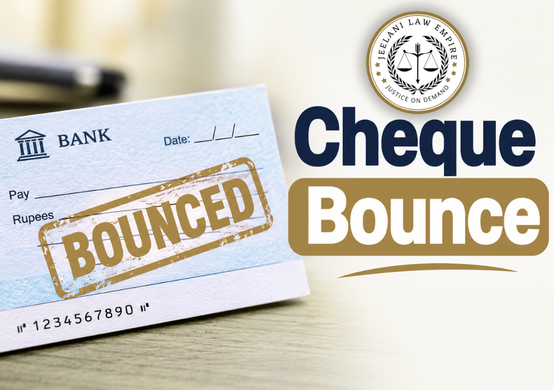
A cheque bounce occurs when a bank refuses to pay the amount written on a cheque. People also refer to this situation as cheque dishonour or a dishonoured cheque.
Several circumstances can cause a bank to return a cheque:
- The account holder has insufficient funds.
- The account holder has closed the account.
- The account holder has stopped payment.
- The cheque contains incorrect or inconsistent details.
- The bank identifies another technical or procedural issue.
When a bank returns a cheque, it generally provides a Cheque Return Memo. This document explains the reason for non-payment and can help establish the circumstances of the dispute.
However, not every cheque bounce automatically constitutes a criminal offence. The purpose of the cheque, the underlying financial obligation, and the issuer’s intention all matter under Pakistani law.
Cheque Bounce Law in Pakistan
Section 489-F of the Pakistan Penal Code, 1860, addresses the dishonest issuance of cheques towards repayment of a loan or fulfilment of an obligation.
Under this provision, a person may face criminal liability when they dishonestly issue a cheque towards a loan or obligation and the bank dishonours it upon presentation. However, the court must examine the relevant facts and evidence before determining criminal liability.
Essential Requirements of Section 489-F
A Cheque Bounce Case under Section 489-F generally requires evidence of the following elements:
- The accused issued the cheque.
- The accused issued the cheque dishonestly.
- The cheque related to repayment of a loan or fulfilment of an obligation.
- The bank dishonoured the cheque when the recipient presented it for payment.
Therefore, a complainant must establish the relevant legal requirements rather than rely solely on the existence of an unpaid cheque.
For example, a genuine banking error may not establish dishonest intention. Similarly, a cheque issued as security may raise different legal questions depending on the underlying transaction.
Consequently, a Cheque Bounce Case Lawyer should carefully examine the circumstances before recommending criminal proceedings.
Common Reasons for Cheque Bounce Disputes
Cheque bounce disputes can arise in several financial and commercial situations.
Business Transactions
Businesses often use cheques to settle payments for goods, services, and commercial agreements. When a cheque bounces, the unpaid amount can affect cash flow and business operations. Therefore, businesses should maintain transaction records and written agreements.
Loan Repayment
A borrower may issue a cheque towards repayment of a loan. However, if the bank refuses payment, the lender may consider appropriate legal remedies. The available options depend on the agreement, evidence, and applicable law.
Property Transactions
Buyers and sellers may use cheques for property-related payments. Consequently, a dishonoured cheque can create disputes over contractual obligations, outstanding amounts, and financial recovery.
Personal Financial Obligations
Individuals may also face cheque bounce disputes involving personal loans or unpaid financial commitments. In such cases, supporting documents can help establish the nature of the obligation.
Cheque Bounce Case Procedure in Pakistan
Understanding the Cheque Bounce Case Procedure helps individuals take appropriate steps and preserve important evidence.
1. Obtain the Cheque Return Memo
First, contact the bank and obtain the return memo. This document explains why the bank refused payment. Moreover, it provides useful evidence regarding the presentation and dishonour of the cheque.
2. Preserve Supporting Documents
Next, collect the relevant documents, including:
- The original cheque, where available.
- The bank’s Cheque Return Memo.
- Loan agreements or commercial contracts.
- Payment receipts and transaction records.
- Relevant correspondence between the parties.
These documents help establish the underlying transaction and the amount involved.
3. Consult a Cheque Bounce Lawyer
After collecting the documents, consult a qualified lawyer. A Cheque Bounce Lawyer can review the evidence and assess whether the matter involves criminal proceedings, civil recovery, or another legal remedy.
Furthermore, professional legal advice can help identify weaknesses in the evidence and avoid unnecessary litigation.
4. Consider a Cheque Bounce Legal Notice
A lawyer may prepare a Cheque Bounce Legal Notice to communicate the unpaid amount and request payment.
Additionally, the notice can document the recipient’s demand and the issuer’s response. However, a legal notice does not automatically guarantee payment or establish criminal liability.
The appropriate approach depends on the facts and any applicable legal requirements.
5. Evaluate the Appropriate Legal Proceedings
Finally, the lawyer can assess whether the circumstances justify a criminal complaint, a civil recovery claim, or another legal remedy.
Since criminal proceedings and civil recovery serve different purposes, the affected party should choose the appropriate route after reviewing the evidence.
Bounced Cheque Legal Action: Criminal and Civil Remedies
A dishonoured cheque may give rise to different legal proceedings. Therefore, individuals should understand the distinction between criminal liability and recovery of money.
Criminal Proceedings
Where the facts satisfy Section 489-F of the Pakistan Penal Code, the affected party may pursue the appropriate criminal proceedings.
However, a Cheque Bounce Criminal Case requires evidence of the relevant legal elements. The complainant must establish more than the mere fact that the bank returned the cheque.
Civil Recovery Proceedings
A person seeking repayment may also consider civil legal remedies.
Depending on the transaction, a Cheque Bounce Recovery Case may involve a civil claim for the amount due. Moreover, a civil court may examine the agreement, payment records, and other relevant evidence.
Criminal proceedings do not automatically replace civil recovery proceedings. Therefore, a lawyer should assess both options where appropriate.
Cheque Bounce Court Case
A Cheque Bounce Court Case may involve questions about the cheque, the underlying obligation, the reason for dishonour, and the available evidence.
The court examines these matters before determining the outcome. Consequently, proper documentation and legal representation can help parties present their cases effectively.
Cheque Bounce Penalty in Pakistan
Section 489-F PPC provides for imprisonment of up to three years, a fine, or both, where the court establishes the offence.
However, the penalty depends on the applicable law and the facts of the case. A cheque returned because of a genuine banking error does not automatically establish criminal liability.
Furthermore, the law recognises a defence where the issuer establishes that they made arrangements with the bank to ensure payment and the bank was responsible for the failure to honour the cheque.
Therefore, individuals should seek legal advice before assuming that every dishonoured cheque carries the same penalty.
Important Documents for Cheque Bounce Case Filing
Proper documentation can strengthen the assessment of a cheque bounce dispute.
| Document | Purpose |
|---|---|
| Original cheque | Shows the cheque issued |
| Cheque Return Memo | Explains the bank’s reason for dishonour |
| Loan agreement | Supports the underlying financial obligation |
| Business contract | Establishes commercial payment terms |
| Receipts and transaction records | Support the amount claimed |
| Correspondence | Records communication between the parties |
The exact documents required depend on the nature of the proceedings. Nevertheless, maintaining complete records can help a lawyer assess the matter more effectively.
Why Choose Jeelani Law Empire For Your Case?
Cheque bounce disputes require a careful understanding of financial transactions, legal obligations, and Pakistani law. Therefore, choosing appropriate legal representation can help individuals and businesses understand their options.
Jeelani Law Empire provides legal services for individuals and businesses dealing with legal disputes and financial obligations in Karachi, Pakistan.
The firm can assist clients with:
- Reviewing cheque bounce disputes and supporting documents.
- Assessing the applicability of Section 489-F PPC.
- Preparing and reviewing legal notices.
- Evaluating criminal and civil legal remedies.
- Providing guidance on court proceedings.
- Reviewing relevant evidence and transaction records.
Moreover, a clear understanding of the legal position can help parties avoid unnecessary disputes and pursue appropriate remedies.
Whether you need guidance regarding a Cheque Bounce Complaint, a recovery claim, or a legal notice, professional legal assistance can help you understand the available options.
For further information about the firm’s practice areas, explore Jeelani Law Empire’s legal services and law firm expertise through its homepage.
Frequently Asked Questions (FAQs)
1. What is a cheque bounce in Pakistan?
A cheque bounce occurs when a bank refuses to honour a cheque presented for payment. Depending on the circumstances, the matter may involve a civil dispute or criminal proceedings under Section 489-F PPC.
2. Is a cheque bounce a criminal offence in Pakistan?
A cheque bounce may constitute a criminal offence when the circumstances satisfy Section 489-F PPC. However, the court must examine the relevant facts and evidence before determining criminal liability.
3. What is the punishment for cheque bounce in Pakistan?
Section 489-F PPC provides for imprisonment of up to three years, a fine, or both, where the court establishes the offence.
4. Can I recover money through a cheque bounce case?
Yes, appropriate legal remedies may help a person recover an unpaid amount. However, criminal proceedings and civil recovery proceedings serve different purposes. Therefore, a lawyer should evaluate the available options.
5. Is a cheque return memo important?
Yes. A Cheque Return Memo records the bank’s reason for dishonouring the cheque. Consequently, it can provide important evidence in a legal dispute.
6. Do I need a lawyer for a cheque bounce case?
A lawyer can review documents, assess the legal position, prepare appropriate notices, and advise on criminal or civil proceedings. Furthermore, professional assistance can help individuals understand the relevant legal requirements.
7. Can I resolve a cheque bounce dispute without going to court?
In some circumstances, the parties may resolve the dispute through negotiation, payment, or a mutually agreed settlement. However, the suitability of settlement depends on the facts and applicable legal requirements.
Conclusion
A Cheque Bounce can create significant financial difficulties for individuals, businesses, and commercial organisations. However, understanding the applicable law and available legal remedies can help affected parties make informed decisions.
In Pakistan, Section 489-F PPC addresses the dishonest issuance of cheques towards repayment of a loan or fulfilment of an obligation. Nevertheless, criminal liability depends on the specific legal requirements and the evidence available.
Therefore, individuals should preserve the cheque, obtain the bank return memo, maintain transaction records, and seek appropriate legal guidance.
Whether you need assistance with a legal notice, a criminal complaint, or a civil recovery matter, professional legal guidance can help you understand the appropriate course of action.
Jeelani Law Empire provides legal services in Karachi, Pakistan, for individuals and businesses seeking guidance on legal disputes and financial obligations. For further information, explore the firm’s legal services through the Jeelani Law Empire homepage.